Is Your Organization Ready for the 2026 Midterms? 3 Steps to Prepare
What a 4 a.m. software outage taught me about preparing for the unexpected.
It was 4 a.m. on a rainy morning in San Francisco when I got the call every tech executive dreads. We had a software outage impacting millions of users around the world. My job wasn't to fix the code. It was to keep our employees, customers, and partners informed. So, I rallied my team, pulled out our crisis communications playbook, and got to work. We listened, learned, and led. The outage lasted days, but negative customer sentiment began to stabilize within hours. All our advanced planning paid off.
I spent more than 20 years as a tech executive before founding In Good Company. If those years taught me anything, it's this: You don't wait for something to go wrong to make a plan. We prepare for outages, cyberattacks, product failures, and all kinds of surprises. Not because we expect the worst, but because people count on us when things get complicated.
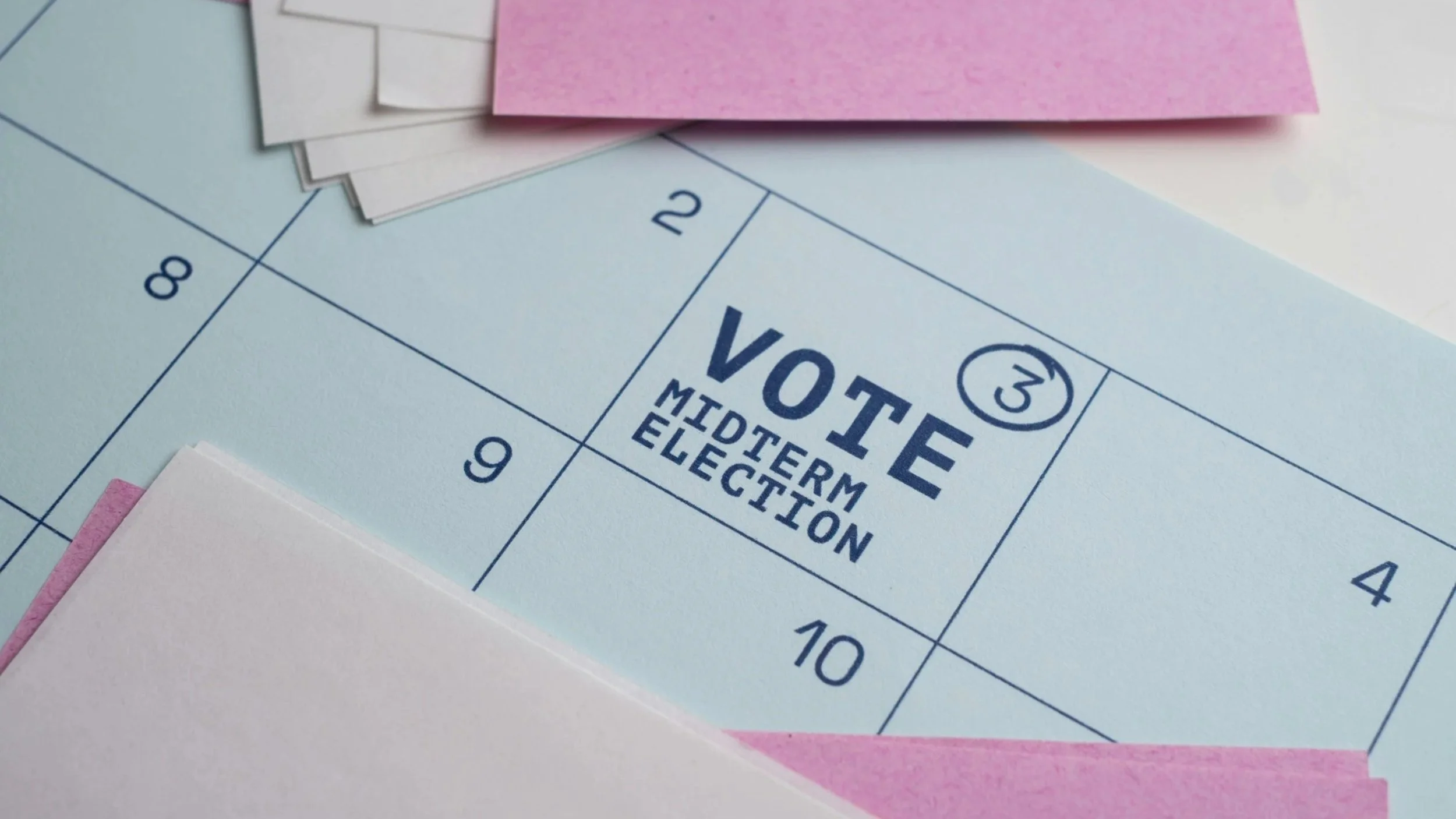
That's been on my mind as we approach the November 3 midterms. At In Good Company, we've spent months helping leaders across businesses, chambers, nonprofits, and faith communities share nonpartisan voting information. But there's another kind of preparation worth talking about: election confusion.
What Happens if Election Week Doesn't Go as Expected?
Maybe election results take longer than anticipated, rumors start spreading online, or an incident in your community raises concerns about safety. Sometimes nothing significant happens, but the perception that something has gone wrong creates just as much confusion as if something had. Either way, that uncertainty doesn't remain restricted to politics. It appears in our workplaces, congregations, and communities.
The good news? As a leader, you have a role to play that doesn't require choosing a political side or becoming an election expert. When information is flying fast and emotions are running high, a calm, clear message from you can make a big difference.
How Can Leaders Prepare for Election Day?
You don't need a complicated crisis communications plan. Start with these three steps.
1. Who's Your Point Person?
If questions or concerns come up during election week, who will help your organization respond? For a small organization, that might be you. For a larger one, it could be someone in Human Resources, communications, or the C-suite. Decide now who's responsible for monitoring updates, answering questions, and approving messages so that you’re not making those decisions under pressure.
2. Where Will You Go for Reliable Election Information?
Elections are administered by state and local officials. They're your best starting point for verified information about voting, counting, and certification. Find your state and county elections websites. Bookmark them and share them with your team. That way, when someone asks what's happening, you'll know where to turn for the facts.
3. What Will You Say if Questions Arise?
What will you tell your employees, members, or congregation if election results aren’t available right away? Or if an unverified claim started circulating?
Prepare a short message now that emphasizes these three things:
Rely on verified information from official sources.
Give election officials time to complete the process required by law.
Prioritize the safety and well-being of your community.
Keep it simple, factual, and nonpartisan. You don't have to have all the answers. You just need to help people find reliable ones.
How to Make an Election Readiness Plan in 15 Minutes
Here's your challenge for this week. Get your leadership team together and answer these three questions:
Who will coordinate our response?
What are our sources of reliable information?
How will we communicate with our people if questions or concerns arise?
That's it. Fifteen minutes now could save a lot of confusion later.
Over the next few weeks, I'll share more practical, nonpartisan ways leaders can communicate clearly, navigate uncertainty, and support their communities before, during, and after Election Day. Because just like we plan for product failures and cyberattacks, we can prepare for uncertainty surrounding our elections.
The best time to make a plan is before you need one.